
Powering the Path to Precision
The Connor Page Fund for Improved Access to Clinical Trials
A pancreatic cancer diagnosis is a race against time.
For too long, Canadians facing this disease have had to rely on luck, geography or income to access experimental treatments that could save or extend their lives.
The Connor Page Fund for Improved Access to Clinical Trials was established to change that story. By removing the barriers to genomic testing and clinical trial navigation, we are ensuring that every patient has a map to the best possible care.
Please Support Connor's Fund Today
How your support helps
The Future of Treatment is Personal
Every dollar donated to the Connor Page Fund goes directly toward helping patients access the most cutting edge treatments in pancreatic cancer care. By supporting Connor's Fund, you are providing patients with testing and navigation tools that can give patients a real chance at survival.
Together, we are changing the story of pancreatic cancer.
"Comprehensive tumour genomic profiling is no longer optional; it is essential to plan the right treatment at the right time... Initiatives like MyCANcer Code are critical to expanding access to targeted therapy."
Dr. Jennifer Knox, Co-Director of the McCain Centre for Pancreatic Cancer

Launching Connor's Playbook
Providing patients and caregivers with a practical, step-by-step guide to navigating and accessing clinical trials in Canada and abroad.
Advancing Genomic Testing
Supporting the MyCANcer Code pilot to offer high-quality genomic testing at no cost, while advocating for this to become a standard of care for pancreatic cancer.

Improving Clinical Trial Navigation
Funding specialized resources and dedicated expertise to help patients identify and access the specific clinical trials they need.

Thank you to the many generous supporters who have made this work possible
About Connor and his Legacy
A bit about Connor
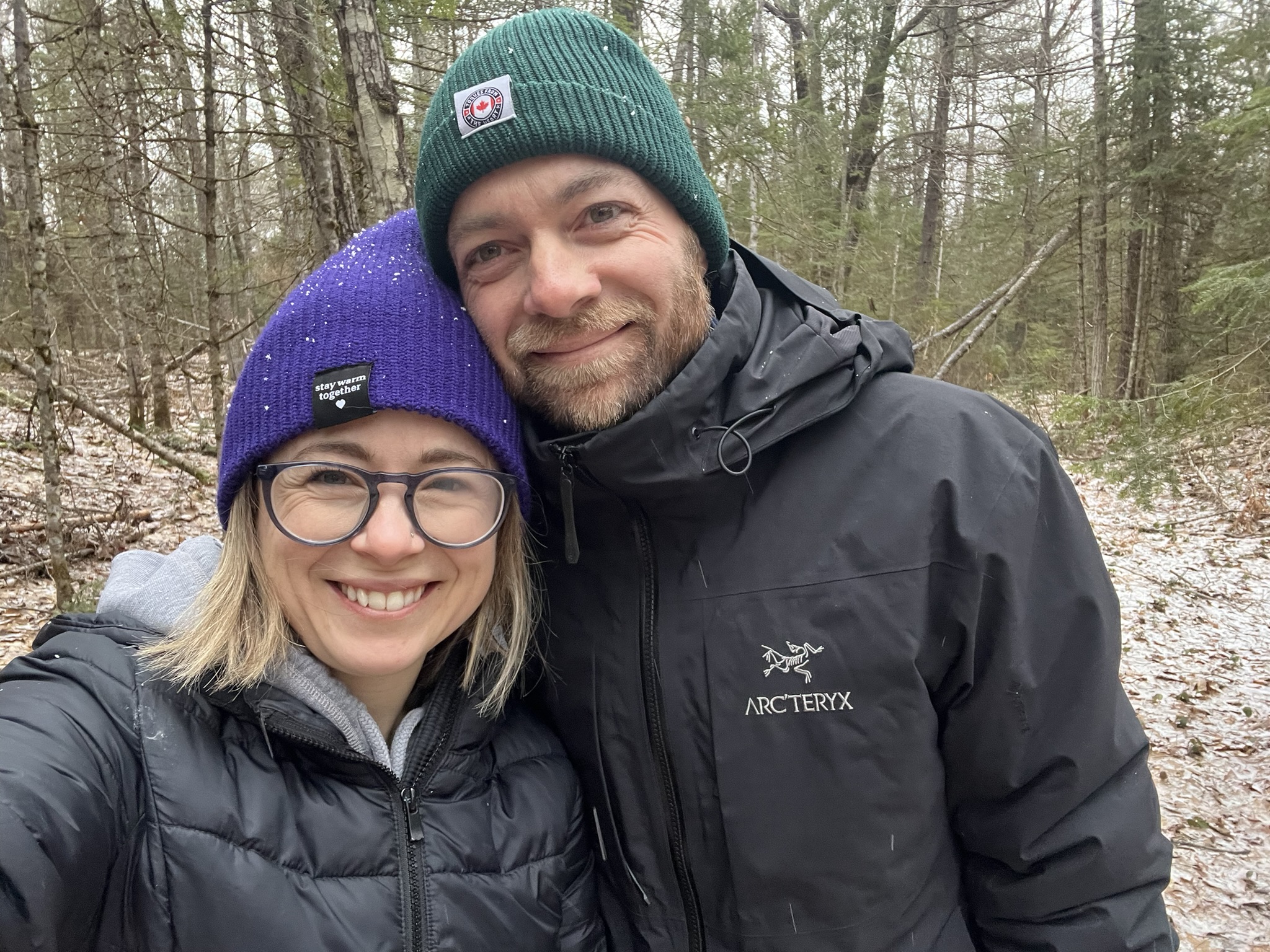
To understand the importance of this fund to Connor’s family, you need to know a little bit about who Connor was. He grew up in Ayr, ON a small town near Cambridge where his favourite thing to do was play backyard ball (baseball). He studied commerce at Queen's University where he met many of his closest friends and his wife and best friend, Jen Lovrics. He completed his CPA before ultimately joining his family business alongside his sister and dad. He loved working with his family and grew closer to his sister, something he cherished.
(expand + to read more)
Connor had a way of making those around him laugh and his vulnerability made him a quick confidante to many. He was always true to himself, whether, it be his "garbage chic" style, his energetic dance moves, or his over-the-top love of the Blue Jays.
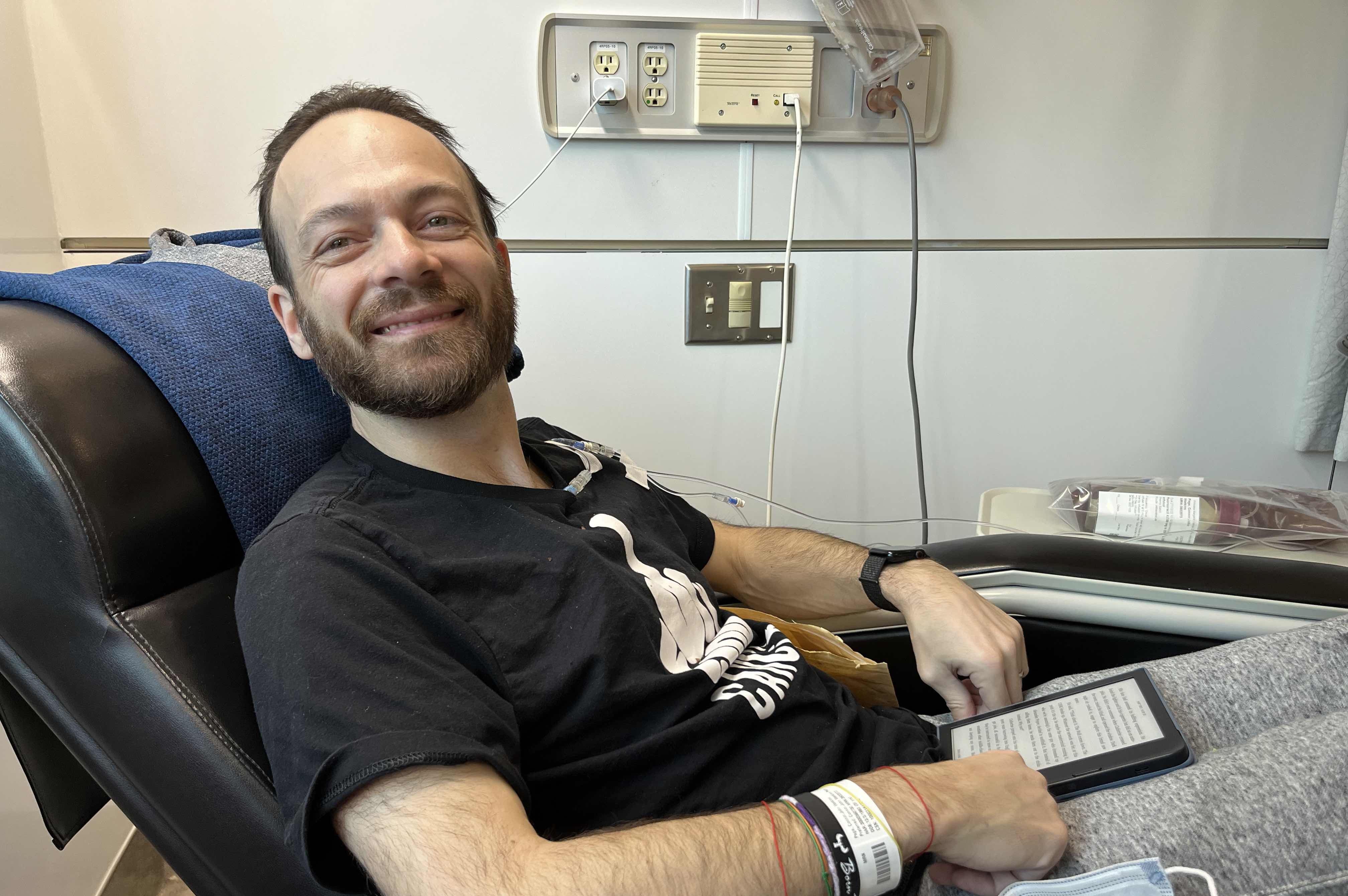
Connor was diagnosed with pancreatic cancer in April 2022, just after his 39th birthday, with no obvious signs, symptoms or risk factors. He faced his cancer diagnosis head on, he never asked the prognosis and he and his family lived by a “no stone unturned” approach, pursuing every possible treatment, clinical trial, and supportive care option.
Prior to his diagnosis, and despite success in business, Connor often wondered what his purpose was in life. After his diagnosis, it was immediately clear to him that it was being a dad to his two young boys, which he did with every ounce of himself, until his last breath. He may not have realized it, but there was also a broader purpose that he shared with all of us. He taught us to find light in darkness, to make the most of life's moments, big and small, and to be kind and gracious in the face of the most difficult of diagnoses.
Prior to his passing, his gastroenterologist said: "You told me from day 1 about how you would fight and that you did. In my 10 years of practice, I can't recall someone who battled with such grace and optimism."
His drive for patient advocacy
Connor and his wife quickly became aware of the time and effort required to advocate for care. Just days after his diagnosis, Connor marvelled “can you imagine doing this on your own as a single parent or with English as a second language, or without a support system?” As an example of early advocacy, and only as a result of knowledge gained from Connor’s dad’s experience with cancer, Connor was adamant about additional biopsies, knowing it could inform treatment options.
While Connor was receiving standard of care chemotherapy, in the background he and his wife were attending virtual and in person appointments and joining lengthy wait lists for clinical trials at US hospitals. When Connor’s disease progressed, his health changed rapidly and they were grateful to be prepared, including having knowledge of the specific genetic mutations that could potentially be targeted in treatment.
Self advocacy paid off
Shocking his oncology team in Toronto, he got into the trial through a lesser known, more affordable, clinical trial hospital in the US. The drug was effective for just shy of six months, which may not seem like a long time, but to feel and be “normal” again, for him, was priceless. At the time, in 2023, the Phase 1 trial drug was known as “RMC-6236”. We knew he was a part of something special, but we didn’t know just how unbelievable it would be. In April 2026, it was announced that Daraxonrasib (formerly RMC-6236) is among the first therapies designed to directly target KRAS-driven cancers. It is also the first KRAS inhibitor to complete a Phase 3 trial in pancreatic cancer. It represents a turning point in pancreatic cancer treatment.
Connor’s legacy to help others
It was so important to Connor to help others advocate for themselves. He became a pillar of support for friends of friends diagnosed with pancreatic cancer. His compassion and humility made him an easy sounding board and it brought him immense joy to help two others join the same RMC-6236 clinical trial.
As a testament to his courage and kindness, Connor devoted some of his final conversations to his vision for a legacy fund. He wanted to make access to treatment, supportive care and clinical trials more equitable and accessible. He had the opportunity to shape the Playbook and would be absolutely shedding tears of joy to see the success of the KRAS drug trials and to participate, in even the smallest way, in providing these opportunities to others.
In a letter Connor wrote to our boys before his passing, he shared some of what he had learned in life, including his views on hope.
“Hope is powerful. It can turn a negative outcome into a positive one. Hope can make you live longer, it helped me. Hope gives you something positive to think about and act on. Don’t worry about being hopeful about something that ends up not working out. There’s no penalty for hoping and there’s no prize for guessing you’ll fail and then being right”.
This is for Connor, and for you.
“Hope is powerful. It can turn a negative outcome into a positive one. Hope can make you live longer, it helped me. Hope gives you something positive to think about and act on. Don’t worry about being hopeful about something that ends up not working out. There’s no penalty for hoping and there’s no prize for guessing you’ll fail and then being right."
-Connor Page