 Dan P just donated $55.55
 julie huard just donated $28.88
- Alexandra Tapia just donated $23.15
 Jalryna just donated $29.45
- Garry H just donated $20.00
- Kristie Brown just donated $28.88
- Jason Brown just donated $56.75
- Therese Manale just donated $159.23
- Therese just registered for Terry's Scandi Walk 2026
- Kathlyn Joy just registered for Terry's Scandi Walk 2026
- Reden just registered for Terry's Scandi Walk 2026
- Rehan just registered for Terry's Scandi Walk 2026
- Shamsh Moosa just donated $2500.00
- Judie & Harold Holm just donated $108.85
- Kevin Holm just donated $162.00
- Dennis and Tara Shmyr just donated $125.00
- Steven Ashley Maksym Poppy Zane Chris Shmyr just donated $118.33
- Corey Holm just donated $108.85
- Peggy Petryshyn just donated $56.75
 Manuel Salemo Jr. just donated $108.85

On September 25, 2026 we walk for survival.
We need you!
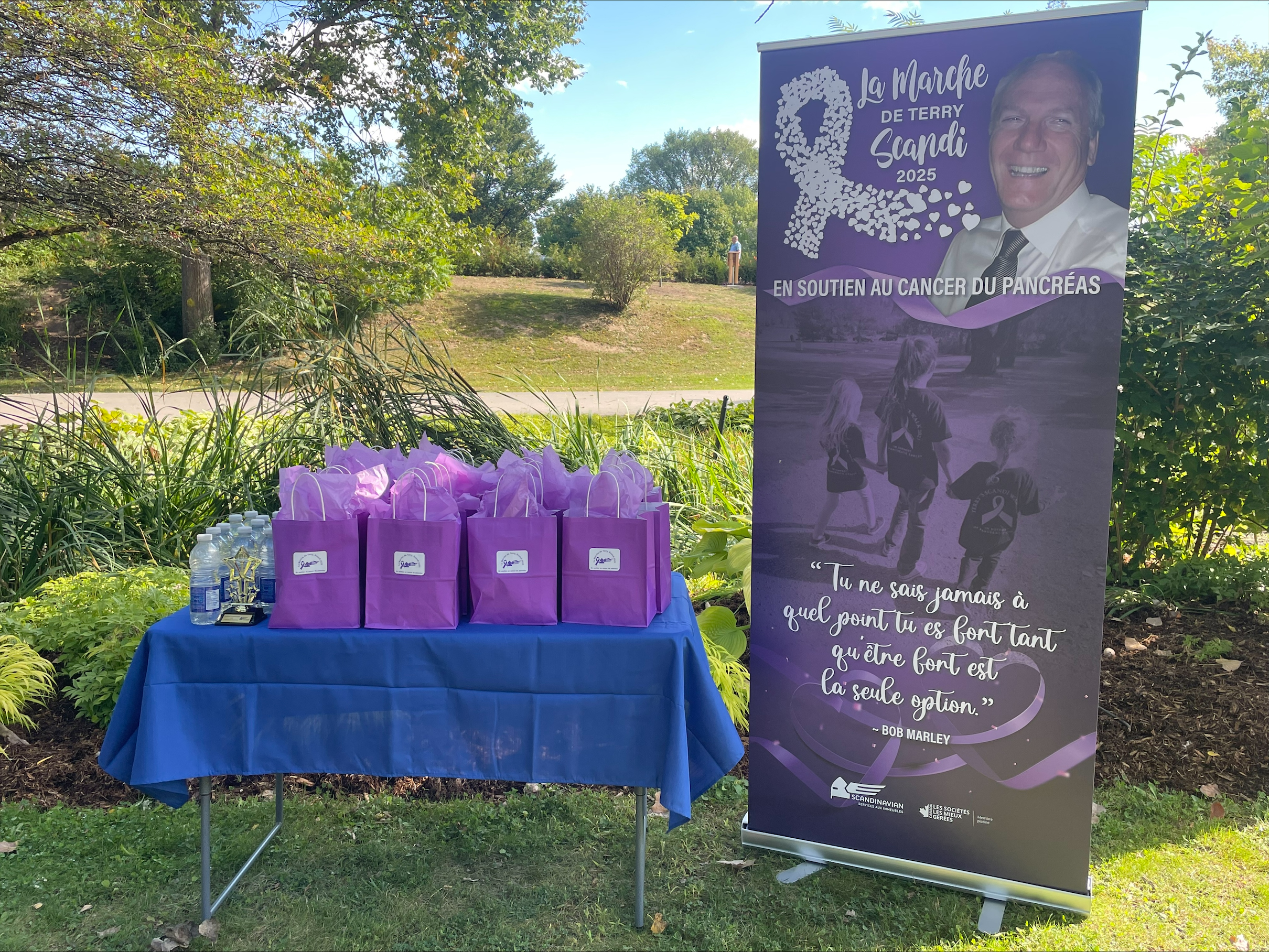
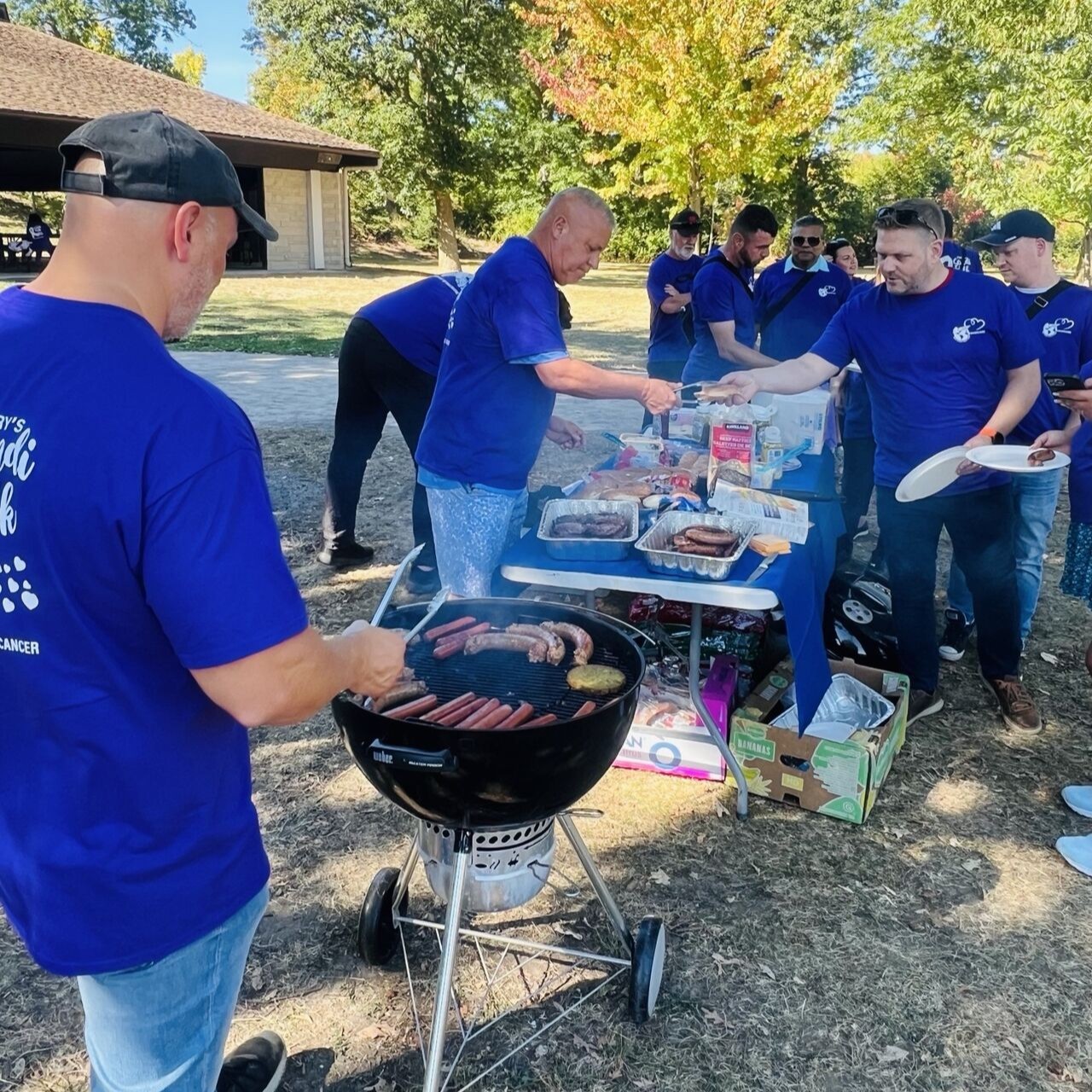
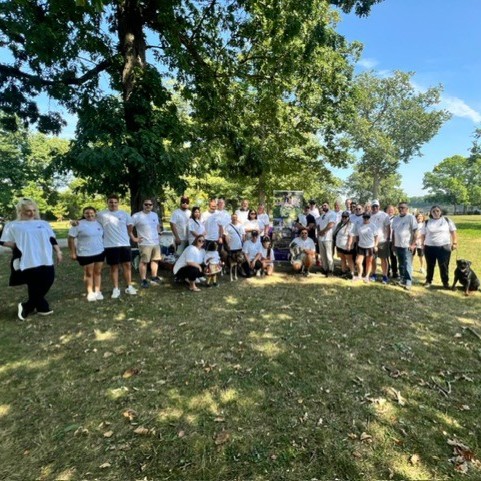
Since 2020, the ScandiCARE Committee has united all our national offices for Terry's Scandi Walk: a 5KM walk to raising awareness and vital funds for pancreatic cancer research and support programs. Over the past six years initiative has generated over $200,000 to support those affected by pancreatic cancer.
Because progress will not wait, and neither will we.





The World's Toughest Cancer
Pancreatic Cancer is underfunded, understudied and overlooked. We're on a mission to change that.


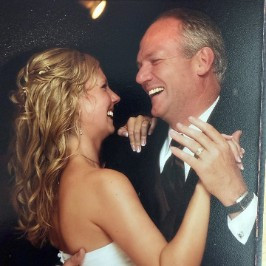
About Terry
Terry Hay was a man with a vision, a man who was loved dearly by all his friends and family and lived life to the fullest. He was a true entrepreneur, running multiple businesses throughout his lifetime, looking to make a difference.

See Who Is Stepping Up





You don’t know how strong you are until being strong is your only choice.
Bob Marley
Frequently Asked Questions
Our mission is to fundamentally change the way patients, caregivers and the community experience pancreatic cancer and redefine it from a death sentence to a survivable cancer.
Pancreatic Cancer North America (formerly known as Pancreatic Cancer Canada) received charitable status in 2006 and has been operating for over 20 years.
Yes, PCNA is a registered charity. Our Charitable Registration Number is 84870 1967 RR0001
What makes pancreatic cancer so difficult to diagnose and treat?
By the time it is found, the disease has often already spread, limiting treatment options. Advancing earlier detection and more effective treatments is critical - and urgently needed. Support for research today can help change what’s possible for patients tomorrow.
Why is pancreatic cancer research underfunded compared to other cancers?